Back to the ancient time..
Horses were used as a means of transportation in a human society back to the 50,000 BC as they can move faster and much farther than humans; with horses, people became able to travel over land at a faster pace.
Horses were the first mode of transportation in a whole wide world. They became essential to the daily lives of the people back then as they put people from one place to another for them to do their task.

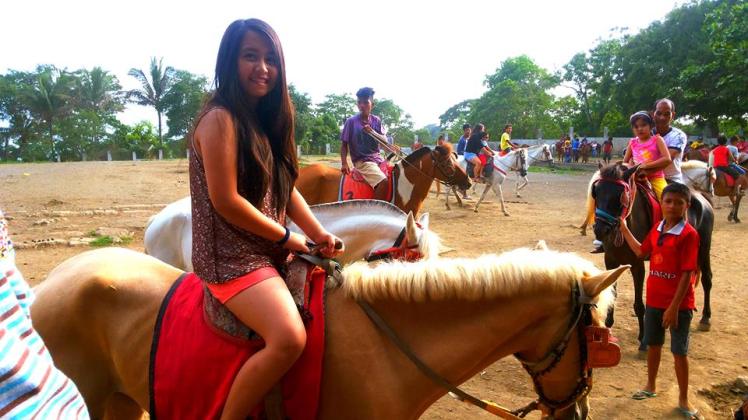
As we stepped to 1700 BC to 400 AD, the horses that were made as transportation have been evolved to a chariot. A chariot is a light vehicle that has a type of carriage with a two wheels driven by the charioteer. In the Philippines, we called it “kalesa”.
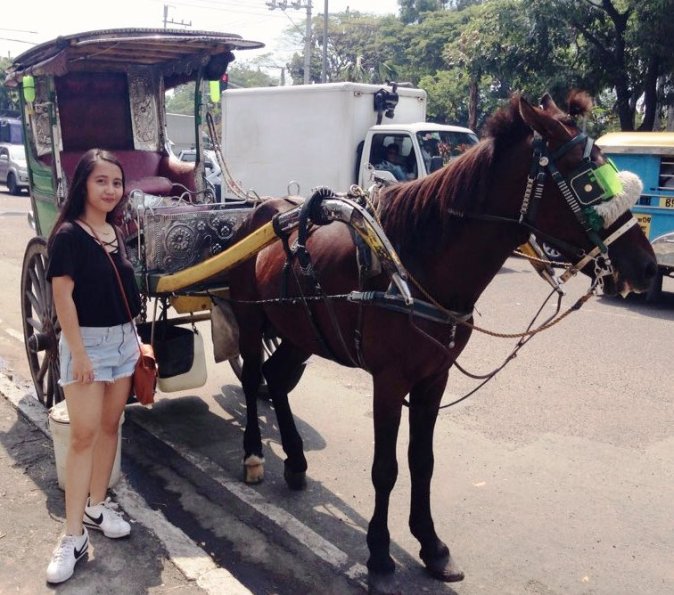
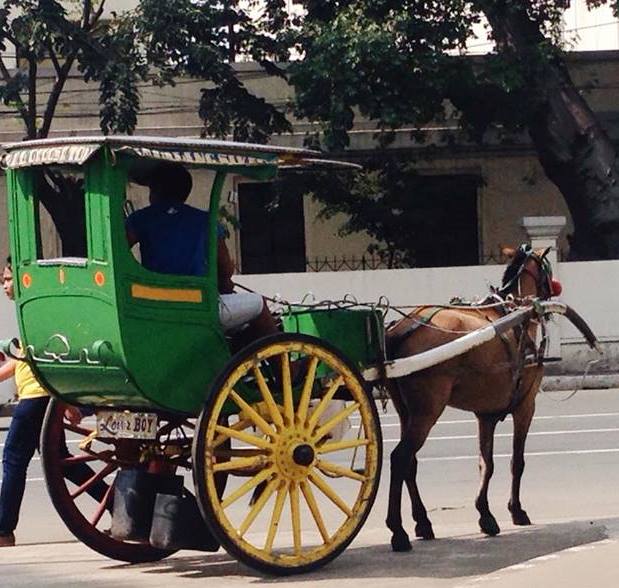
Chariot was also used as a transportation with a much valuable and contribution compare to the single horse without carriage. In chariot, 3-4 persons can ride even they are carrying their things or baggage.
Besides from putting people from a place to another, chariot was also used to make transactions and trade with other communities, this was called “barter”.
The horse and wheel offered a great boost to man’s ability to move goods from place to place. A man can carry about 50 pounds, a horse can pack 200 pounds, but a horse and a wheeled vehicle can transport up to twice the horses own weight; consequently a 1,000 pound horse could move 2,000 pounds of cargo to penned animal or shops in the city. In chariot, people can bring loads of stuffs.
This was also used for war; the chariot became the principle battle strength of every military force. The chariot’s real strength on the battlefield was the raised firing platform it offered to archers – it was the original “artillery platform.”
The horse has had an impact on the world – everywhere it went and on every aspect of life. Horses changed history.
In today’s generation, industrialized countries have mostly replaced horses with cars and tractors. But some people who are living in rural or underdeveloped areas still use horses for manual labor and transportation.
In Manila, we often see a numerous “kalesa” in Intramuros. Yet, people still neglect and disregard to use it.
Horses in the present time are usually raised as pets, companions and athletes for horse races.
We will share the experiences of one of our blogger, Celine Ann Castro, from riding a horse.
“I already experienced horseback riding when we went to Tagaytay. I was a little bit nervous that time as it is my first time to try horseback riding that’s why one of the staff accompanied me from controlling the horse. It was fun, indeed. My second experience is when we went to Majayjay falls in Laguna. It was raining yet we still continue to go at falls. We trek a long distance just to get to the falls, it was hard and tiring. But after 30 minutes on staying there, our tour guide told us that we should leave as it was almost 6pm but we had a hard time on leaving as the water started to rise and the flow of water is dangerous to cross on, but we survived it. One-third of our journey on going back, I gave up on walking. By the way, it was a muddy and rocky single path. Both sides of the path are cliff. Luckily, our tour guide has two horses on the nipa hut that we stop over. They let me and my buddy to ride it for free. I was hesitant to ride it because of the path that we will take but I don’t have any choice as I’m so tired to walk. To my surprise, the horses are so intelligent. They knew which path they will go and to think that the path is so small, muddy and rocky they managed to control and surpass it without me from falling. Horses are intelligent and a hero.”
– Celine Ann Castro (blogger)
 Social Modernization through a Tranquil Life